


Analytics & AI Models for UK SMEs Even When Your Data isn’t Perfect
On paper, AI sounds easy - clean your data and off you go. Half the time you don’t even have the data, let alone clean data. So what’s the solution? … Build on the signals you do have, as a proxy for data you don’t. That’s how you get AI and Analytics working without perfect data.
20 minutes • discover your best signals
What Clients Say

Mel Sallis, Marketing Director SAA Ltd
Predictive AI model from messy product/customer data
“I’ve always believed in being data-driven, but with thousands of product lines and a large customer base, turning that into a usable marketing strategy is very time-consuming.
Shaffiq’s team took our sprawling data and built our first predictive AI model. It could actually tell us who was likely to buy what, and when. It showed us sales patterns and signals we’d never seen.
I’m not technical; but it completely changed how we prioritise campaigns, structure sales conversations and plan stock by acting on real insight.”
Why Analytics & AI Projects Stall

Analytics and AI projects rarely fall over because someone picked the wrong algorithm. They stall because your data doesn’t line up, teams are stretched, and no one has time to untangle the real story behind the numbers.
You’re juggling expectations from the Board, dealing with half-built dashboards, mismatched fields and changing requests from stakeholders, the last thing you need is an AI model amplifying noise.
Most teams hit the same blockers
You don’t have all the data you need - at least not in the right shape. Not bad data. Missing data.
Too many systems say different things. Sales says X. Finance says Y. Ops says “don’t ask.”
Your analysts are firefighting, not modelling. They’re stuck cleaning, reconciling, and sense-checking.
Even when a model runs, no one trusts the outputs yet. Because the inputs feel shaky… and the business knows it.
This is just the real world and exactly why proxy strategies, signal-based models and phased analytics make a difference.
How Proxy Strategies Work When Your Data Isn’t Ready
Most teams tend not to have perfect data. And if you wait for it, you risk slowing delivery. This is where proxy strategies can work really well.
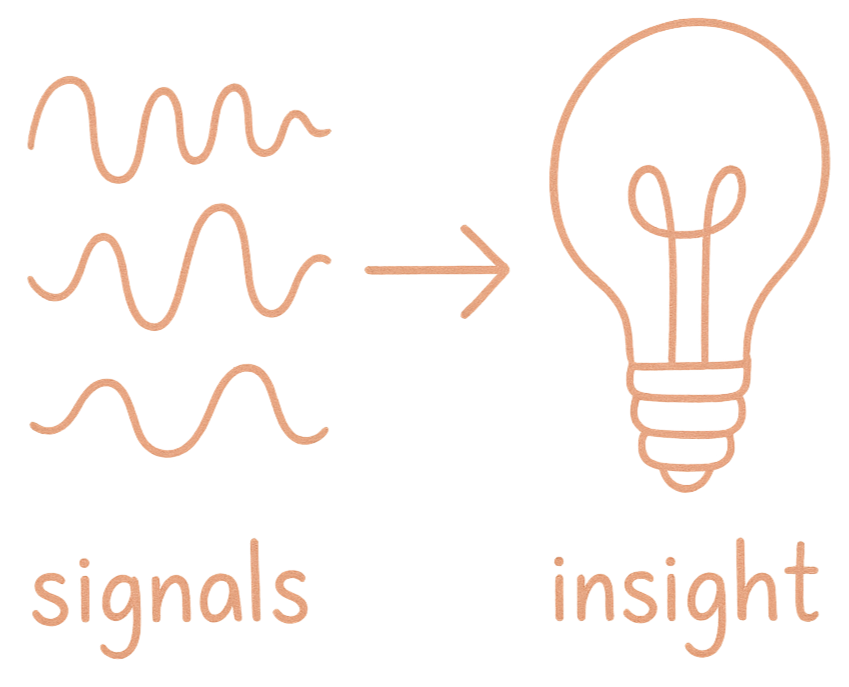
Instead of waiting for every field, every system, every golden record… you build models around signals you do have like behaviour, timing, interactions, history, velocity, patterns in how customers act rather than just what’s stored in CRM.
Once you start looking for signals instead of perfect inputs, things move:
You can predict demand without full product data
You can forecast leads without complete attribution
You can model conversion even if half the fields are patchy
You can automate decisions based on behaviour, not perfect data
It’s the fastest way to get traction, prove value, and get the Board off your back, whilst the deeper data work runs safely in parallel.
Proxy strategies can often outperform the “perfect architecture first” approach because they’re built on what actually happens, not what’s supposed to happen.
What Clients Say

Robb Shingles, Marketing Director, WPBS Ltd
Lead conversion modelling using proxy signals
We wanted to know what drives our CRM lead conversion. Gut feel said it was leads from certain sources. So, we asked Shaffiq to investigate our historical data. We were open-minded, as our data wasn’t perfect.
His team used AI to model lead conversions. The findings surprised us a little. With 88% certainty they could predict lead conversion.
They showed us what factors improved conversion such as response speed, data completeness and agent behaviour signals we’d never considered.
We’re now building a wish list of how we can expand and use AI.
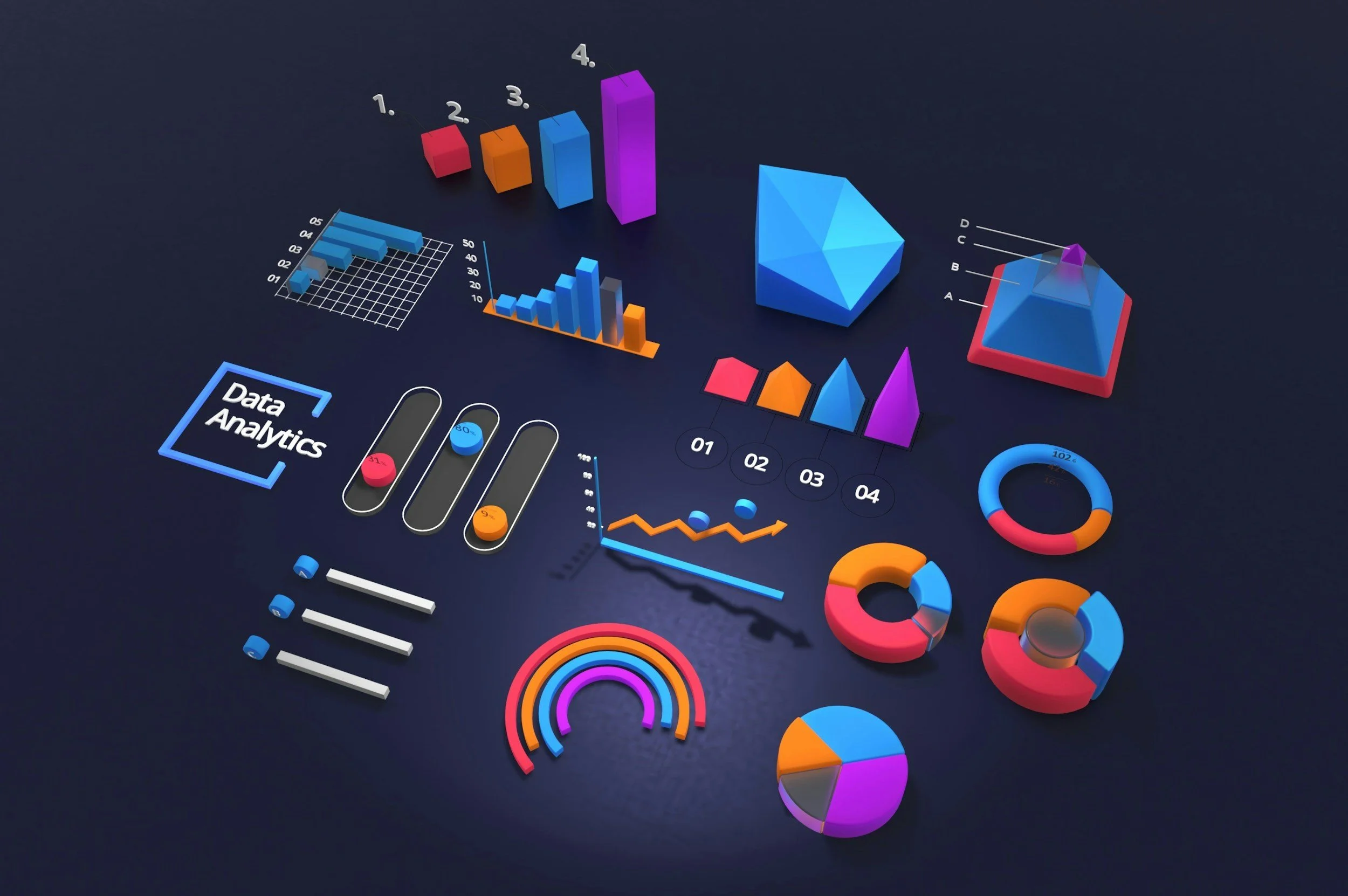
Analytics Built for You
Analytics doesn’t just find you answers; it helps you ask the right questions first, then helps you build AI that works.
What You Can Build If Your Data Isn’t Perfect
You’ll be surprised how much you can actually do with proxy signals. Fully clean or engineered data is not always needed. Here are a few examples.
Lead Scoring
Even messy CRM, ERP or Finance data has timing patterns, response behaviour, and source clues. You can still predict which opportunities will likely close or not.

Recommendation
If your sales data is limited, use patterns like buying order, replenishment timing, or browsing behaviour as proxies. This is how we built Mel’s predictive model.

Accurate Forecasts
Many businesses rely on spreadsheets or simplistic models. By using proxy behaviours instead of raw volume alone, your forecasts adapt faster to changes.

Retention Predictors
You don’t need full “customer health” fields, proxy signals like login frequency, purchase gaps, support patterns, or invoice frequency will tell you a story.


Optimised AI Models with Your Data
Imagine predicting your future sales - next week, next month. SellPredicta
How to Build Analytics & AI Models that Work
Ours is a simple, 3-step process that gets you from “we’re not sure what’s going on” to a working AI model. Before you build anything - predictive, prescriptive, automated etc - get a picture of what’s happening today. That’s how we get AI models started, when data is messy.

Step 1 Descriptive
You start by uncovering the basics: volumes, timings, behaviours, drop-offs, patterns and exceptions. Not dashboards for the sake of it but just the “truth” that everyone trusts.
This is where the real story lives and surprises people.

Step 2 Predictive
Once you have a reliable descriptive base, you can start training the models. This is where we use your proxy data - the signals you do have - to predict the behaviours you can’t see directly.
This is your actual move from analytics into AI.

Step 3 Prescriptive
Models are only really useful when they tell you what to do:
✔ what to prioritise
✔ where the risk is
✔ which levers move the needle
This is where we bring your decisions to life.

If your data can support it, we’ll build a working AI model. If your data can’t, we’ll tell you straight, and show you exactly how to get it there. No cost surprises or vague promises. You get clarity on what’s possible. We stand behind every model we build, 100%.
Guarantee

Common Analytics & AI Problems
Chances are you’ll hit one of these at some point. It’s never because you’re “not data-driven.” It’s usually just the reality of fast-moving data projects.
Not Enough Data
You probably don’t have the volumes you wish for, especially behavioural, sequential or long-term data. It’s normal. Proxy strategies help.
Too Many Systems
Sales, Finance, Ops… all correct from their perspective, all slightly out of sync. Models can’t learn a stable truth when the source of truth keeps shifting.
Analysts Fixing Data
Most analysts spend too much time perfecting data and firefighting. Users won’t budge. They’re exhausted before they get to the model.
Models “Work…ish”
This is the classic pattern. The maths works. The outputs don’t feel “right”. Stakeholders hesitate - because the inputs feel shaky.





Too Many Variables
Modern systems produce mountains of fields, but only a handful actually matter. Finding the signal is half the job.
Missing Context
A model can’t see quiet holiday periods, regulatory change, odd behaviour patterns in niche products etc. Without context, even good models look wrong.
Unreal Expectations
You’re expected to deliver automation, insight, predictions, dashboards, improved forecasting, all at once. With one team, and messy data.
Black-Box Models
Stakeholders want to see why the model thinks as it does, not neural net diagrams. Explanation matters more than complexity.



FAQs
-
What types of predictive analytics and AI models can you build for SMEs?
You can build lead scoring, forecasting, retention predictors, recommendations, and driver analysis. The cleanest approach is to start with one model that will clearly pay back, then scale.How is predictive analytics different from dashboards and BI reporting?
Dashboards show what happened. Predictive analytics estimates what’s likely next and what to prioritise.What happens after the first model is delivered?
You end up with something usable: a refresh approach, simple monitoring, a clear handover, and a short roadmap for the next 1–3 models based on ROI. -
Can you build AI models using ERP and finance data, not just CRM?
Yes. Invoicing, orders, project data, and service histories often work well—sometimes alongside CRM—depending on the use case.Can you work across multiple systems after acquisitions or “buy & build” growth?
Yes. The key is to stabilise a small set of trusted signals across systems first, then model from that reliable base.What’s the minimum data needed to start a lead scoring or forecasting model?
Usually one or two exports with outcomes + dates (for example opportunities, orders/invoices, or tickets). You can confirm quickly whether it’s enough for a first model. -
How do you choose the best first use case for predictive analytics?
Choose the one with clear commercial value, usable signals already available, and a decision you can actually act on.How do you validate an AI model’s accuracy and confidence in plain English?
Validate against historical outcomes and report performance in a way stakeholders can trust before anything is automated.Will the model be a “black box”, or can you understand what drives predictions?
You’ll be able to see the key drivers and why they matter. The aim is usability and confidence, not mystery.What does delivery look like for an analytics and AI model project?
A simple 3-step approach: descriptive baseline → predictive model → prescriptive actions. -
Do you offer a fixed-scope pilot for a first predictive model?
Often, yes. A pilot can be shaped around one defined outcome and dataset, so it stays focused and measurable.Will you tell us if we’re not ready yet, and what to do next?
Yes. You’ll get a clear answer and a practical route to readiness based on what you already have.
Related Services & Next Steps
To help you get more value from your data, you may also find these useful.
Data Cleansing for AI & Analytics
www.britanalytics.com/data-cleansing
Data cleansing for analytics and AI models, so your signals are reliable.
Data Strategy & Governance
www.britanalytics.com/data-strategy
Data strategy and governance that keeps reporting and models stable.
About BritAnalytics
Who we are and why mid-market teams trust us with data problems.
Contact & Consultation
If you prefer a direct conversation, here’s where to reach us.
Ready to Get Your AI & Analytics Working?
It’s normal for data issues to surface once a project starts.
Ready to Get Your Analytics & AI Actually Working?
Most teams hit the same blockers - missing data, mismatched systems, and not enough time to untangle the real story underneath it all. You don’t need perfect data. You just need a clear starting point. Let’s take a calm, honest look at where you are and see what’s actually possible.
Phone: (+44) 0330 633 6780
In the healthcheck, you’ll leave with a clear starting point, the best signals from your CRM/ERP/finance/ops data, and a simple next step.
Email: Support@BritAnalytics.com
Bring your CRM, ERP, finance or ops questions and discover a clear starting point.
Some of Our Clients